On Thursday this past week we all woke up bright and early and made our way to the dump. It was quite cold, coldest day Brazil has had in years in fact and the cherry on top of it all? It was raining. However, being a morning person who literally wore layers on layers of clothing to stay warm, packed snacks, and had her daily cup of coffee I was feeling pretty good! We got there and had a presentation about the workings of the landfill and how they harness the energy and gases from the trash. We then were taken around to a few different places to see it all up close and personal. At this point the smell was a little atrocious but nothing a scarf over my nose couldn't help with!
Because trash emanates harmful gases such as methane, the landfill has to put measures in place to keep that from building up and creating an explosion. This has happened before in other locations so many safety measures are put in place. They also have measures in place to keep the contaminants away from the drinking water below and are testing the water, vegetation, and animals in the area twice a day.
The landfill collects the gases that come from the trash and first separates the different gases by condensing them. They then separate them again using centrifugal blowers which tells them what exactly the gas contains. Because the trash is not always consistent and there can be many differences, the gas they capture is different every day. The next part helps to tell them what the mixture is. They then burn the gas in a contained area and hopefully use that to help create power. The landfill we were at didn't have the capacity yet to generate powers but the other ones near by did and we went to see where the power is generated!
And finally we got to see the generators which generate the power! I think it's pretty awesome that they are literally taking trash, something humans will always be creating, and getting energy out of it. It decreases the volume the trash takes up, creates energy form something that won't get used for anything else or will run out, and it's relatively safe for the environment! I think the US should definitely adopt this idea in more areas because from what I know we don't have a better plan in place for trash disposal or for finding new ways to create energy. However, the smell of it and the "idea" of having a dump near your home is very unappealing which I can understand. If the government offered incentives to people within a certain radius it may help to alleviate any anger that residents in the US may have of putting up a landfill near by. They do cover the hills with trash so when finished you can't even tell what you're looking at! Overall, I think the idea of it is smart and something that will eventually be adopted all over the world!
Saturday, July 27, 2013
Meeting the Sub-Secretary
This past week has been just as busy as the last few! We've been taking field trips all over and learning about even more different types of renewable energy. One of the most enlightening things we've done since getting here was getting to meet the Sub-Secretary of Energy for the state of Sao Paulo, Milton Lautenschlager.
We went to a meet him and he talked to us about Sao Paulo renewable energy initiatives. I was very excited to hear what he had to say because he's someone who is personally involved with all of the technologies we've been learning about and someone who gets to make important decisions involving these new technologies. A lot of what we've been doing in class is discussing policies Brazil and the U.S. have so hearing it from someone so closely involved with those decisions was a good point of view to have. It was also good to hear all the specific policies that Sao Paulo was initiating for the future of the state.
At first Milton talked to us through a translator and had a power point presentation prepared showing statistics and information about the policies he was discussing. It's always a little hard to follow when you have a translator going back and forth but overall he had a lot of information for us and seemed to be quite knowledgeable! I'm always surprised how much Brazil is using renewable energy and Milton told us Sao Paulo state specifically has 55.5% coming from renewable energy! They are a leader in Brazil for renewable energy usage and lead the country to better practices for renewable energy.
Milton explained to us some of the goals for the future of Sao Paulo. They hope to increase renewable energy technologies while keeping the economy growing, continue to be the leader in ethanol production, and to help industries, producers, and consumers make changes to switch to more renewable sources of energy. They hope to do this by giving tax incentives, credits, and loans to companies who integrate these new sources of energy. When asked about their ethanol production and if this would be competing with their food production land he seemed unconcerned and said that Sao Paulo has enough land to do both. This is different from the US because our land needs to be used for both food and fuel and we don't have enough to do enough of both if those are competing.
Sao Paulo is currently looking into incorporating solar panels into building such as school buildings instead of funding farms of solar panels. These would be used more for heating the building than electricity. I think that's pretty cool because it's a way to start getting the people used to the new looks of solar panels and the idea of a new technology without going full force. It could also lead to homes and apartment buildings having those technologies. They have no plans of expanding their hydroelectric power because of the pollution it costs the rivers and other waterways. this can already be seen in the river that runs along Sao Paulo and is a dark brown color due to pollution from the hydroelectric plant we went to see. However, Brazil does have plans further north of Sao Paulo to implement a new and huge hydroelectric plant that will provide power to the state as well as many others in Brazil. This is a very controversial project going on because of the people and wildlife it will be displacing.
Overall I was very impressed with the discussion we had with Milton and what he had to say about Sao Paulo. He seemed to know what he was talking about and patently answered our many questions! I was glad we got to talk to a politician who actually cares about the future of renewable energy and is involved with making decisions about it every day!
Tuesday, July 23, 2013
Fruit Market!
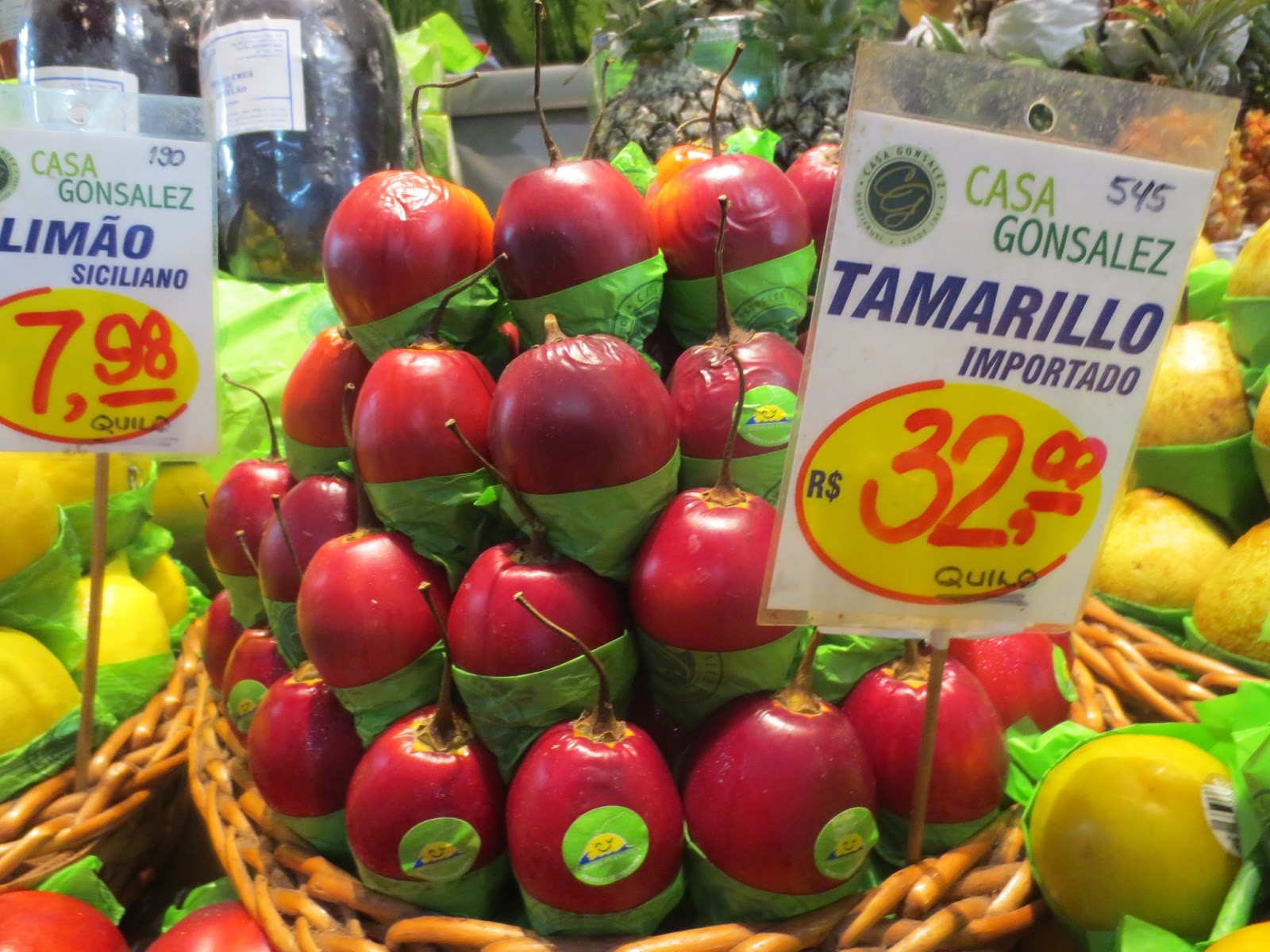
Well we went to a fruit/vegetable/meat/etc market yesterday! It was super cool because there were so many stands around with food every where. There were stands with fruits, meats, nuts, candy, pastries, and even more. They pretty much had every thing you could think of! We were tasked with finding 10 new fruits or other interesting foods and taking a picture and finding out exactly what they are! Here's what I learned about and ate today!
Rambutan which is related to a lychee fruit
Caju: where the cashew nut comes from!
Figo Roxo or Purple Fig
Mangostin which has no English translation
it has a delicious white core
Granadillia is in the passion fruit family
also known as Sweet granadilla or Grenadia
Pitaya Exotic or dragon fruit
Cocoola or Coconut shavings that are sweetened
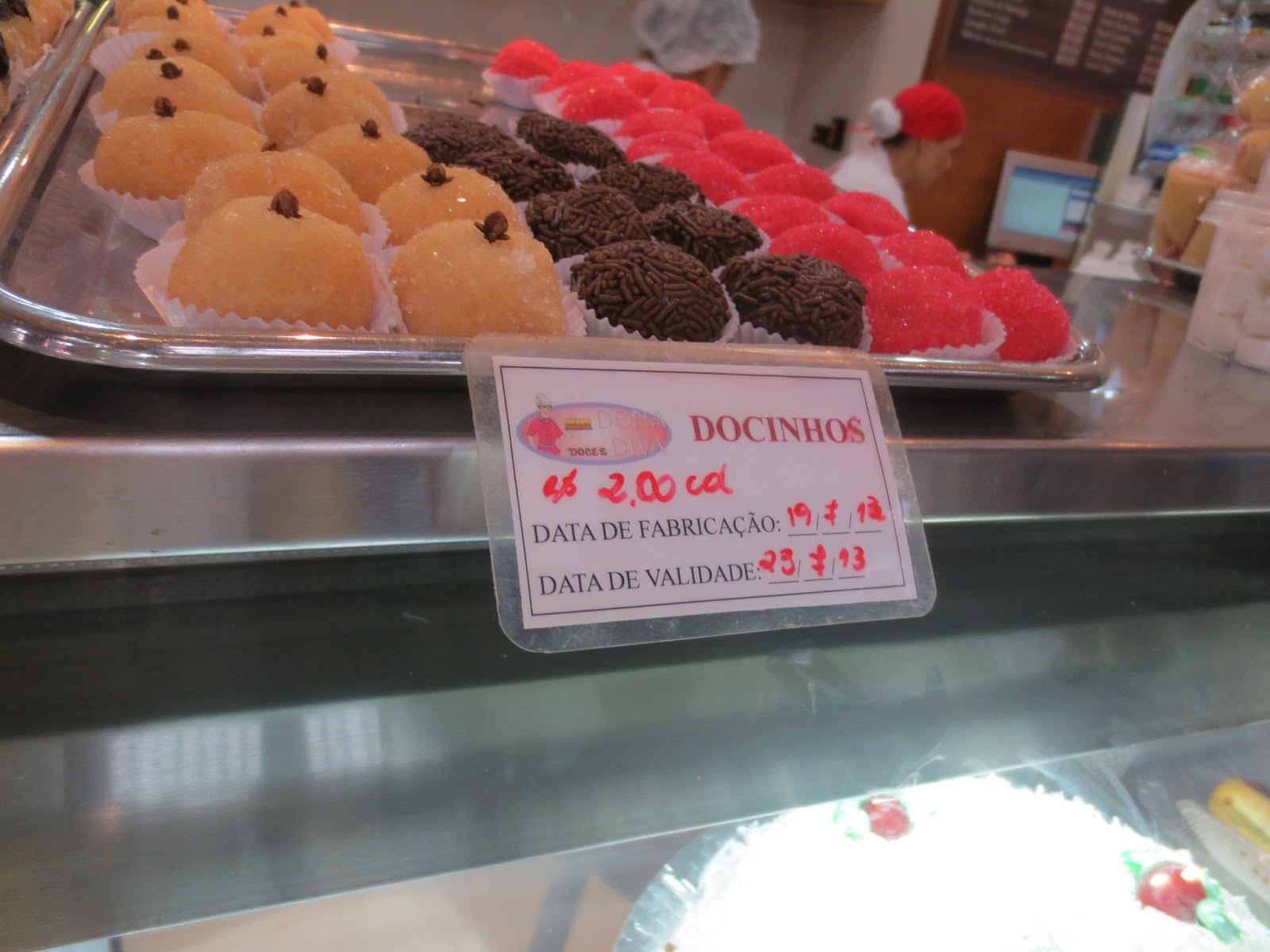
Docinhos which is sweets
it had a jelly inside with sugar on the outside
Arkeller beer: funky flavored!
Rambutan which is related to a lychee fruit
Figo Roxo or Purple Fig
Tamarillo or tree tomato or dutch eggplant
Mangostin which has no English translation
it has a delicious white core
Granadillia is in the passion fruit family
also known as Sweet granadilla or Grenadia
Pitaya Exotic or dragon fruit
Cocoola or Coconut shavings that are sweetened
Docinhos which is sweets
it had a jelly inside with sugar on the outside
Thursday, July 18, 2013
Field Trips Part 2
Today's field trip was definitely my favorite, possibly because I knew the most about it! We visited Usina Henry Borden Hydroelectric Plant in Santos! It took a loooooooooong time to get there but once we did it was very cool! We learned about the history of the area and how they started the plant. It was built by a Canadian company but with and American engineer! Yay America! The way it is designed is to use the natural rivers height to start the water at top and get that potential energy and use it! Because it uses water ways that already start that high the energy used to get the water that high is minimal. Most of the work is done by mother nature! They then have a reservoir to hold the water and then let it fall over the side of the mountain into turbines which create the energy. Obviously this is very simplified but still a recap of how it works! We were taken to see two of the locations where the turbines are working, one above ground and one below ground! The one below ground was cool because we all got to go into a cave! I also found it fascinating that the turbines rarely need maintenance or replacement and most parts have been there since it was built! I found this trip so exciting because the idea of hydroelectricity is definitely a huge part of both Brazil's and the United States future in renewable energy. It is the leading source of renewable energy in both countries and right now Brazil has some of the largest plants in the world! Currently China has the space of biggest plant but Brazil plans to build a new one in the next few years that surpasses it. Though this form of renewable energy seems like the way to go, America has yet to build any new plants since the 1940's! This may be because our current plants are doing their job and we don't need any more but I think it's more lack of funding and motivation from the government. If we could utilize our waterways to create power for us without polluting or putting out communities of people then it seems to be the best option right now in renewable energy. Brazil's new plant has a lot of protesting going on because it does plan to relocate entire communities of indigenous people! Every source of energy has it's pros and cons and I guess each country needs to decide which pros and cons matter the most when deciding what decisions to make. Hopefully there can be a solution that makes most people happy. In the end though, it seems finding a renewable source of energy will be more important than keeping society happy.
Alternative Energy Field Trips Part 1
This week has been filled with field trips for our Alternative Energy course! Everyone seems to be in agreement that field trips trump classroom time any day!
Our first visit was to a solar energy company called CPFL Energy. There, Alberto talked to us with a slideshow he had made about the company, how it started, what they do, and about solar energy. This company has fields of solar energy panels that they use to harness energy. They are currently testing two different types of panels, ones that are stationary and ones that are programmed to angle toward the sun. We got to hear and see the panels move slightly while we were there which was pretty uneventful since they move so little, but still exciting! I was surprised to see how little it seemed to disturb the surrounding area because there were fields with cows, horses, and a lake near by. However, they were taking up a significant amount of space and the lines for the electricity it produces are large and ugly.They are eventually going to be using this solar energy combined with wind energy. The wind turbines have not been built yet however. I've heard the wind turbines are pretty loud and unattractive as well but in my opinion if it works they we shouldn't care too much. Alberto took us through the room that is showing how much energy the turbines are getting and how much energy they are producing. I don't understand electricity too well so it was a little over my head. I find the idea of solar power to be pretty exciting because as of now the sun is a renewable source of energy that will never go away. If we can find technology to harness this energy and use it efficiently it could be one of the cheapest forms of energy we have! This may not be the case for every country. Brazil is a prime location for use of solar energy because of the year round sun they receive. In the US not every part of the country gets the same amount of sun so it's not a practical option all the time. If we can find a way to manufacture these panels for locations such as Arizona and California for cheaper than China (the leading country is solar panel manufacturing right now) then I think the US could benefit economically from this technology. However, I do believe we need to put more research funding into making it more efficient than it is now. It's not a source of energy that we get much bang for our buck so the technology would need to improve before we could move forward with it!
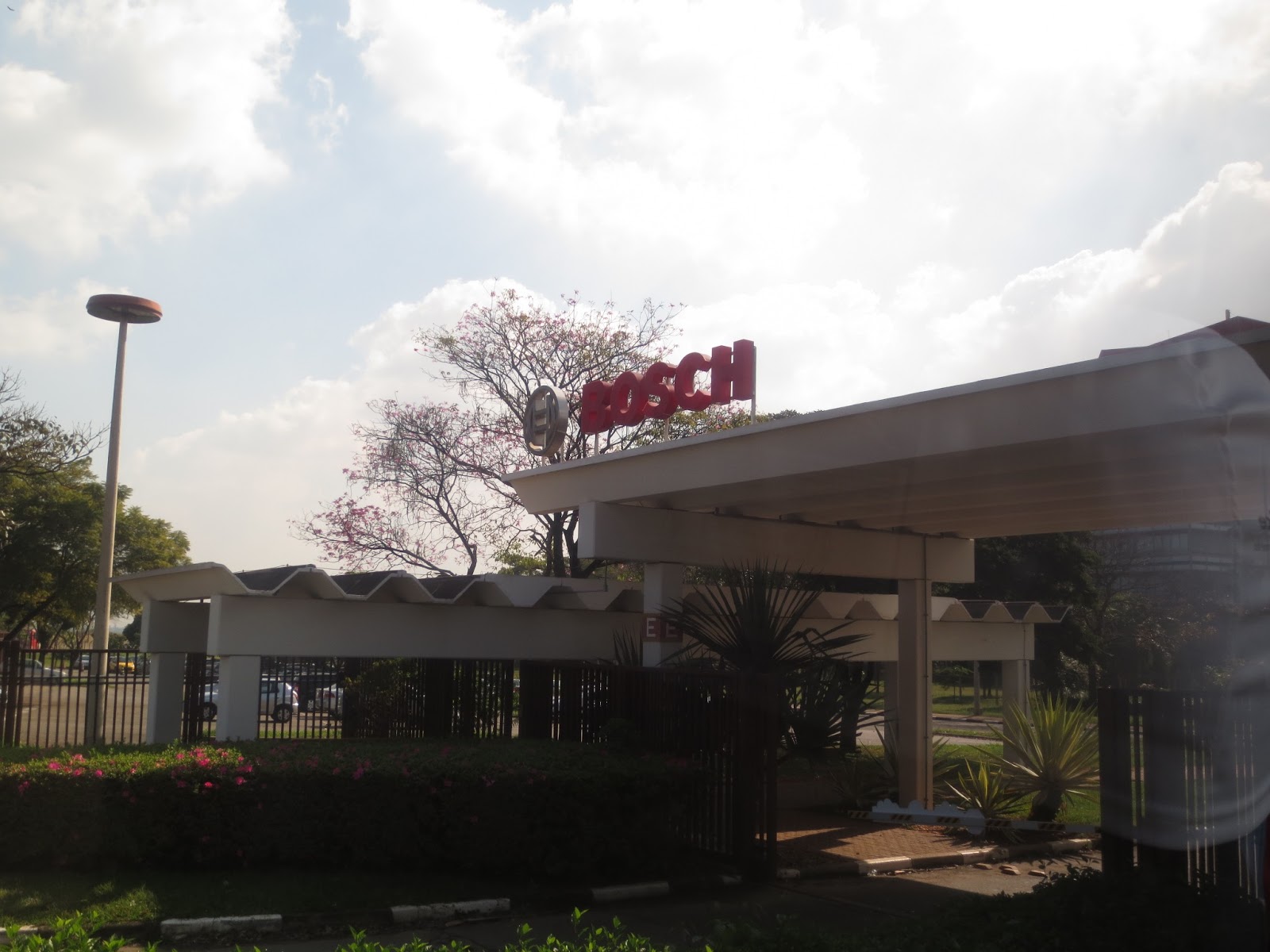
The next place we went to that day was the company Bosch to learn about their Flex Engines. We received a tour of the facilities and then were given a talk on the company overall and then about Flex Engines specifically. Up until this trip I had never heard of Flex Engines so everything I've learned in class and from this company has been all new! Apparently, two thirds of Americans that have Flex Engines in their cars are not even aware that they do! It makes sense that I've never heard of it if most Americans who actually have it haven't either! It's definitely not marketed in America too much at all. These engines are designed to use a mixture of fuel to help run the car, not just gasoline. In Brazil, 80% of new vehicles are sold with Flex Engines! I found that to be staggering compared to America! This is because of the policies and governmental influence to lower emissions from passenger vehicles. These flex engines allow for a percentage of ethanol to be used to run the car because it is cheaper and less emission than gasoline. It is less efficient in energy usage which means your car will go less distance for the same amount of fuel. However, if you're lowering your CO2 emissions then this could be put up with. However ethanol is not a perfect fuel source and a lot of energy gets put into making it. Brazil used sugarcane to make their ethanol while the US uses corn. This fuel source is taking away from land being used for crops, communities to be built, etc. This use of ethanol is then only practical if our immediate goals as a country are to lower our emissions of CO2. The flex engine from Bosch is a good way to start that goal. If the US started to incorporate ethanol and E85 (85% ethanol and 15% gas) into our gas stations then Flex Engines could help to save money and lower the emissions in America too. Since many Americans already have this engine and don't even know if education about them should also be brought to the US. Maybe if people knew about them, knew it could help save money, and understood why it's important to utilize this technology then maybe it would start to help. I hope that we can eventually find an even better fuel, with fewer drawbacks to be used in these engines.
The next day we went to a conference held near the city about alternative energies, mainly solar, around the word. There were companies from all over the world there to help market and educate people about what their company does. Because many of the companies were just solar power they all had very similar products. However, there are many different steps and pieces that go into solar panels that I had not realized. Many companies do the whole process of from start to finish because the market is not big enough for companies to specialize in just one piece of the puzzle. It seems to me if some of these companies would merge and learn to use each others resources the idea of solar energy would be a more more viable option around the world. It also made me realize how many people are doing research and are building these solar panels that some day may become a reality in every persons home. I found the water heating systems using solar energy to be pretty exciting. If every american began to head their water using the sun instead of oil or coal sources, it could save on so many emissions into the air and would be a one time fee of installation. Yay on saving on electricity bills as well! We were tasked to talk to 25 companies, get pictures, brochures, and business cards from them and learn about there technology. This was a little overwhelming because of the amount of companies we had to visit and the similarities between all of the companies. However, it was nice to see the amount of people working on finding renewable energy by using the sun!
Our first visit was to a solar energy company called CPFL Energy. There, Alberto talked to us with a slideshow he had made about the company, how it started, what they do, and about solar energy. This company has fields of solar energy panels that they use to harness energy. They are currently testing two different types of panels, ones that are stationary and ones that are programmed to angle toward the sun. We got to hear and see the panels move slightly while we were there which was pretty uneventful since they move so little, but still exciting! I was surprised to see how little it seemed to disturb the surrounding area because there were fields with cows, horses, and a lake near by. However, they were taking up a significant amount of space and the lines for the electricity it produces are large and ugly.They are eventually going to be using this solar energy combined with wind energy. The wind turbines have not been built yet however. I've heard the wind turbines are pretty loud and unattractive as well but in my opinion if it works they we shouldn't care too much. Alberto took us through the room that is showing how much energy the turbines are getting and how much energy they are producing. I don't understand electricity too well so it was a little over my head. I find the idea of solar power to be pretty exciting because as of now the sun is a renewable source of energy that will never go away. If we can find technology to harness this energy and use it efficiently it could be one of the cheapest forms of energy we have! This may not be the case for every country. Brazil is a prime location for use of solar energy because of the year round sun they receive. In the US not every part of the country gets the same amount of sun so it's not a practical option all the time. If we can find a way to manufacture these panels for locations such as Arizona and California for cheaper than China (the leading country is solar panel manufacturing right now) then I think the US could benefit economically from this technology. However, I do believe we need to put more research funding into making it more efficient than it is now. It's not a source of energy that we get much bang for our buck so the technology would need to improve before we could move forward with it!
The next place we went to that day was the company Bosch to learn about their Flex Engines. We received a tour of the facilities and then were given a talk on the company overall and then about Flex Engines specifically. Up until this trip I had never heard of Flex Engines so everything I've learned in class and from this company has been all new! Apparently, two thirds of Americans that have Flex Engines in their cars are not even aware that they do! It makes sense that I've never heard of it if most Americans who actually have it haven't either! It's definitely not marketed in America too much at all. These engines are designed to use a mixture of fuel to help run the car, not just gasoline. In Brazil, 80% of new vehicles are sold with Flex Engines! I found that to be staggering compared to America! This is because of the policies and governmental influence to lower emissions from passenger vehicles. These flex engines allow for a percentage of ethanol to be used to run the car because it is cheaper and less emission than gasoline. It is less efficient in energy usage which means your car will go less distance for the same amount of fuel. However, if you're lowering your CO2 emissions then this could be put up with. However ethanol is not a perfect fuel source and a lot of energy gets put into making it. Brazil used sugarcane to make their ethanol while the US uses corn. This fuel source is taking away from land being used for crops, communities to be built, etc. This use of ethanol is then only practical if our immediate goals as a country are to lower our emissions of CO2. The flex engine from Bosch is a good way to start that goal. If the US started to incorporate ethanol and E85 (85% ethanol and 15% gas) into our gas stations then Flex Engines could help to save money and lower the emissions in America too. Since many Americans already have this engine and don't even know if education about them should also be brought to the US. Maybe if people knew about them, knew it could help save money, and understood why it's important to utilize this technology then maybe it would start to help. I hope that we can eventually find an even better fuel, with fewer drawbacks to be used in these engines.
The next day we went to a conference held near the city about alternative energies, mainly solar, around the word. There were companies from all over the world there to help market and educate people about what their company does. Because many of the companies were just solar power they all had very similar products. However, there are many different steps and pieces that go into solar panels that I had not realized. Many companies do the whole process of from start to finish because the market is not big enough for companies to specialize in just one piece of the puzzle. It seems to me if some of these companies would merge and learn to use each others resources the idea of solar energy would be a more more viable option around the world. It also made me realize how many people are doing research and are building these solar panels that some day may become a reality in every persons home. I found the water heating systems using solar energy to be pretty exciting. If every american began to head their water using the sun instead of oil or coal sources, it could save on so many emissions into the air and would be a one time fee of installation. Yay on saving on electricity bills as well! We were tasked to talk to 25 companies, get pictures, brochures, and business cards from them and learn about there technology. This was a little overwhelming because of the amount of companies we had to visit and the similarities between all of the companies. However, it was nice to see the amount of people working on finding renewable energy by using the sun!
Thursday, July 11, 2013
Gasland assignment
First thing I have to say is that anyone who has not seen Gasland you should go watch it immediately. It's a documentary about the effects that hydraulic fracturing have on the communities and members who live in the area around. Hydraulic Fracturing is the technique used by companies extracting oil and natural gasses from the reservoirs. This technique uses literally tons of water and hundreds of different types of dangerous chemical to push the fossil fuel out using pressure. These dangerous chemicals leak out into the environment and contaminate the drinking water, the plants, the animals, and most importantly the people who are unfortunate enough to live near by. These peoples lives are being turned upside down and are forced to live in awful conditions with their families. Needless to say, what is happening is completely unacceptable and should be stopped immediately. Well I won't bore all my family and friends with the details because I couldn't say it even close to the way the Josh Fox, the man behind the documentary does. But I can ask some questions that have risen in my mind since watching this movie.
How can these travesties be going on with the general public in the dark about it? Where is the transparency that the American citizens expect from their government? When will these large oil and gas companies be forced to stop what they're doing and own up to the problems they have created? When these companies are put in the spotlight how will that effect our economy? Are these families homes and lifestyles more important than fueling our nation? (Obviously the correct answer to this should be obvious) When society and economy clash with one another who should win? If natural gas isn't a permanent solution for fueling out nation then is it worth all the issues that it comes with? Where is the solution to these problems?
I have these questions and so many more swimming in my head right now. I'm not sure what the correct answers are or what the best solution is but I do know what's happening now is wrong and as a people we need to tell the government what we want.
How can these travesties be going on with the general public in the dark about it? Where is the transparency that the American citizens expect from their government? When will these large oil and gas companies be forced to stop what they're doing and own up to the problems they have created? When these companies are put in the spotlight how will that effect our economy? Are these families homes and lifestyles more important than fueling our nation? (Obviously the correct answer to this should be obvious) When society and economy clash with one another who should win? If natural gas isn't a permanent solution for fueling out nation then is it worth all the issues that it comes with? Where is the solution to these problems?
I have these questions and so many more swimming in my head right now. I'm not sure what the correct answers are or what the best solution is but I do know what's happening now is wrong and as a people we need to tell the government what we want.
I wish I had more money...
Well as you can see from the title we've been doing lots of activities here and needless to say money is going fast. I'm not complaining because I knew going into this trip that I'd have to be paying for all of my food and such but it's hard to cook with a kitchen used by 30 or more people. I haven't been spending my money on much besides food, drinks, and of course a few souvenirs! But let me back up to after samba night...
After Samba night, the next day was a trip to a arts and crafts, shopping, antiques area in the city. Its this huge rectangular area filled with tents that people are selling their hand made crafts, food, antiques etc. I was so overwhelmed when I first arrived because I was finding so many things I wanted to buy! The antiques were pretty cool but what I really wanted were the hand crafted objects. I found some great gifts for some family and did my best to understand the prices when told by the owners. Everyone was friendly and willing to help me which is such a good atmosphere to be in! At the end of our time there we bought some fried food that I can't remember the name of but was very delicious none the less! One problem I do have with Brazil is you have to pay for water every where you go. They will give you bottled water and it always costs money. I've since started to drink the tap water here and there which has given me no issue thus far but definitely tastes a little gross. But hey, free is free!
After the day at the market we then had Sunday which was a football game! The couple that owns the hostel organized a trip for us to attend a local game here is Sao Paulo! The tickets were a little pricier than we all wanted but "When in Rome!" was our philosophy! We had some vans pick us up and take us to the game as a group and we were told we'd be sitting with the Sao Paulo team so wear red and white. The team they were against were the Santos which has the same colors but more black on their jerseys. The way the seats worked is you buy your tickets for a certain section then sit in any seats in that section. Very different then american games for sure! It was a fun time trying to pick up on their cheers and screaming for a team I knew nothing about and a great experience all around! One interesting rule here in Brazil is no alcohol is allowed to be sold in the stadium. They worry it will lead to too many fights and more problems between the fans! In my opinion this isn't a bad idea for the US to take on!
Well it's time for me to get ready for class! I'll blog again soon and please update me on all your lives :)
After Samba night, the next day was a trip to a arts and crafts, shopping, antiques area in the city. Its this huge rectangular area filled with tents that people are selling their hand made crafts, food, antiques etc. I was so overwhelmed when I first arrived because I was finding so many things I wanted to buy! The antiques were pretty cool but what I really wanted were the hand crafted objects. I found some great gifts for some family and did my best to understand the prices when told by the owners. Everyone was friendly and willing to help me which is such a good atmosphere to be in! At the end of our time there we bought some fried food that I can't remember the name of but was very delicious none the less! One problem I do have with Brazil is you have to pay for water every where you go. They will give you bottled water and it always costs money. I've since started to drink the tap water here and there which has given me no issue thus far but definitely tastes a little gross. But hey, free is free!
After the day at the market we then had Sunday which was a football game! The couple that owns the hostel organized a trip for us to attend a local game here is Sao Paulo! The tickets were a little pricier than we all wanted but "When in Rome!" was our philosophy! We had some vans pick us up and take us to the game as a group and we were told we'd be sitting with the Sao Paulo team so wear red and white. The team they were against were the Santos which has the same colors but more black on their jerseys. The way the seats worked is you buy your tickets for a certain section then sit in any seats in that section. Very different then american games for sure! It was a fun time trying to pick up on their cheers and screaming for a team I knew nothing about and a great experience all around! One interesting rule here in Brazil is no alcohol is allowed to be sold in the stadium. They worry it will lead to too many fights and more problems between the fans! In my opinion this isn't a bad idea for the US to take on!
Well it's time for me to get ready for class! I'll blog again soon and please update me on all your lives :)
Subscribe to:
Posts (Atom)